Aug
20
2025
What Happens at a DWI Stop?
Posted by: Fickman Criminal Defense
Category: DWI Defense
Getting pulled over on suspicion of driving while intoxicated (DWI) can be a terrifying experience. The flashing lights in your rearview mirror, uncertainty about what’s happening, and concerns about your future all rush through your mind. Understanding what occurs during a DWI stop can help protect your rights, and you can make informed decisions.
The experienced Houston, TX DWI defense attorney Robert J. Fickman has defended Houston residents for over 40 years, successfully handling DWI cases and helping clients handle these challenging situations.
The DWI Stop Happens When Officers Suspect Impairment
Police cannot pull drivers over randomly- they need reasonable suspicion or probable cause under Texas law.
Common reasons include:
- Weaving in your lane
- Driving far below the speed limit
- Making illegal turns
- Traffic violations like speeding
- Broken taillights or other equipment issues
Simply driving late at night or leaving a bar does not constitute reasonable suspicion. Officers must observe specific behavior or violations that suggest impairment or illegal activity.
Officers Look for Signs You’re Intoxicated
When stopped for a DWI in Houston, officers are carefully trained to look for signs of impairment. Common indicators include bloodshot eyes, flushed face, alcohol odor, slurred speech, slow responses, fumbling with documents, and confusion about time or location.
Officers may also ask questions designed to gauge impairment, such as, “Have you been drinking tonight?” It is important to remember that you have the right to remain silent and are not required to answer questions during the stop.
Field Sobriety Tests May Be Requested, but Are Voluntary
If an officer suspects impairment, they may ask you to exit your vehicle for field sobriety tests. Under Texas Transportation Code § 724.015, these tests are entirely voluntary; you cannot be penalized for refusing.
Common Field Sobriety Tests:
- Horizontal Gaze Nystagmus (HGN): Officer watches eye movements; can be affected by medical conditions, fatigue, or contact lenses.
- Walk-and-Turn: Walk heel-to-toe, turn, walk back; uneven pavement, poor lighting, or footwear can affect performance.
- One-Leg Stand: Stand on one foot while counting aloud; age, weight, balance, or anxiety can impact results.
For anyone facing a DWI stop, consulting an experienced Houston DWI lawyer can help you understand your rights and handle the legal process effectively.
Chemical Tests Can Be Required Under Texas Law
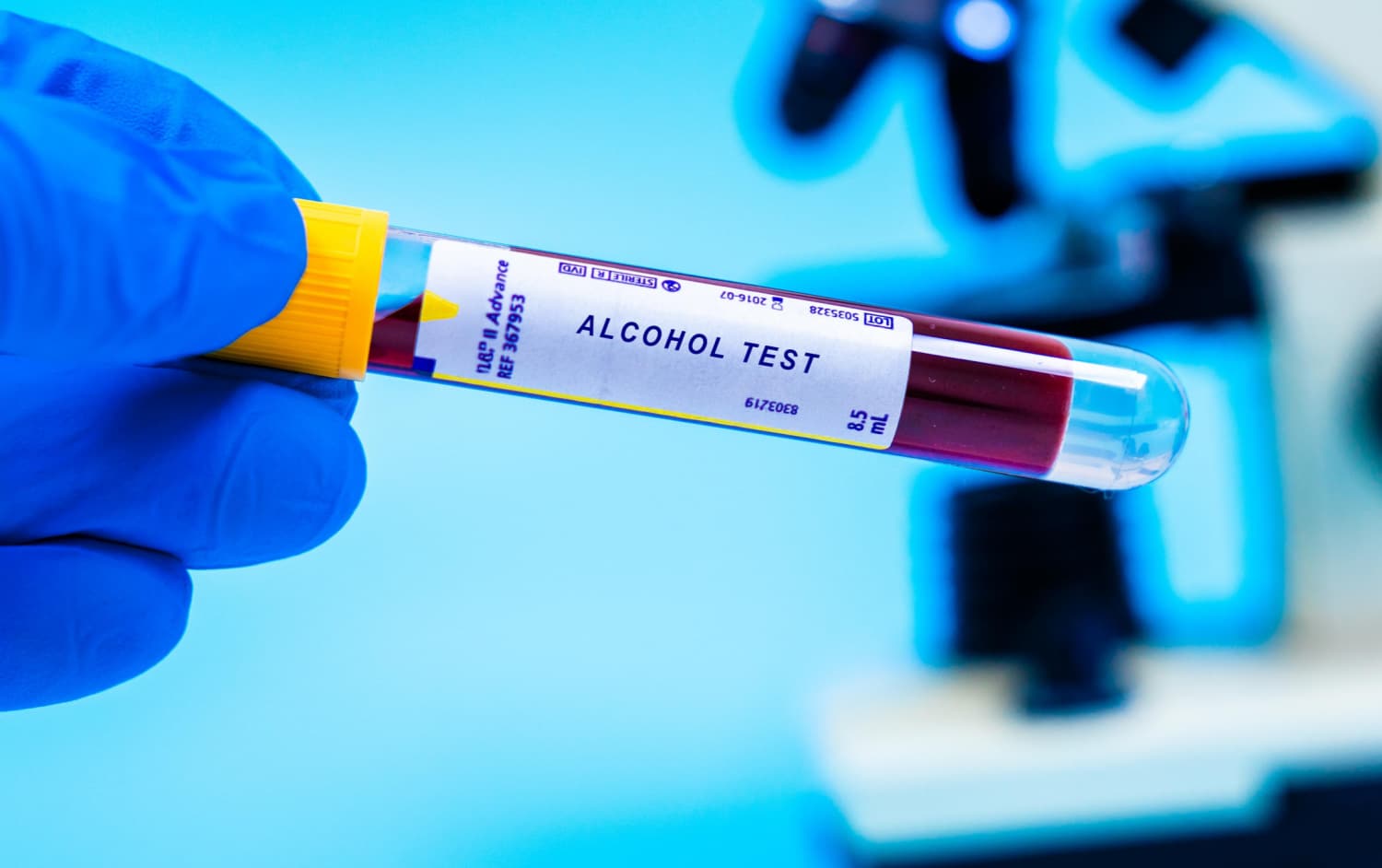
Under Texas implied consent law, you may be asked for breath or blood samples if arrested for DWI. Consequences of refusal can include license suspensions up to 2 years. The decision to refuse chemical testing depends on your specific circumstances. Breath tests can be unreliable due to improper calibration, medical conditions, or environmental factors. Blood tests are generally more accurate but can be challenged on procedural grounds.
Your driver’s license may face administrative suspension, and you have only 15 days from the arrest to request an ALR hearing. This hearing allows you to challenge whether the officer had a reasonable suspicion to stop you.
Common Misconceptions and Defense Strategies
When pulled over for a DWI in Houston, many drivers have misconceptions about what they should do. Understanding these myths can help protect your rights.
- Cooperating Fully: DWI stops are designed to gather evidence for prosecution, so full cooperation can inadvertently provide information against you.
- Politeness: Being polite is important, but you are not required to help build a case against yourself.
- Refusing Tests: Refusal has consequences, but it does not mean you are guilty of DWI.
Knowing these facts can help you handle the process and work effectively with a Houston DWI defense attorney if needed.
What to Expect After a DWI Arrest
If arrested for a DWI in Houston, you will be taken to jail for booking and processing. You have the right to contact an attorney immediately. DWI cases involve complicated scientific evidence, strict deadlines, and procedural rules.
An experienced Houston DWI attorney can review the circumstances of your stop, challenge test results, and examine the prosecution’s evidence to protect your rights. Counsel may seek a dismissal, reduced charges, or a pretrial diversion. Counsel may also recommend that you plead Not Guilty and go to trial.

Speak to a Houston DWI Lawyer Today
A DWI conviction can bring serious consequences, including license suspension, higher insurance costs, employment challenges, and social stigma. An arrest does not guarantee a conviction. Many cases result in dismissed charges, reduced penalties, or favorable plea agreements with proper legal help. In some instances, the client may elect to go to trial and plead Not Guilty.
If arrested for DWI in Houston, contact Robert J. Fickman Criminal Defense at (713) 655-7400 or contact us online for a free consultation. With over 40 years of experience, attorney Fickman fights to achieve the best possible outcome.
Related