Mar
13
2026
The Role of Digital Forensics in Modern Texas Criminal Defense
Digital evidence has become the backbone of modern criminal prosecutions in Texas. From cell phone records to GPS tracking, surveillance footage to social media activity, prosecutors increasingly rely on electronic data to build their cases. Understanding how to challenge this evidence can mean the difference between conviction and acquittal. At Robert J. Fickman Criminal Defense, Texas criminal defense attorney Robert Fickman leverages digital forensics to protect your rights throughout Houston.
What is Digital Forensics in Criminal Defense?
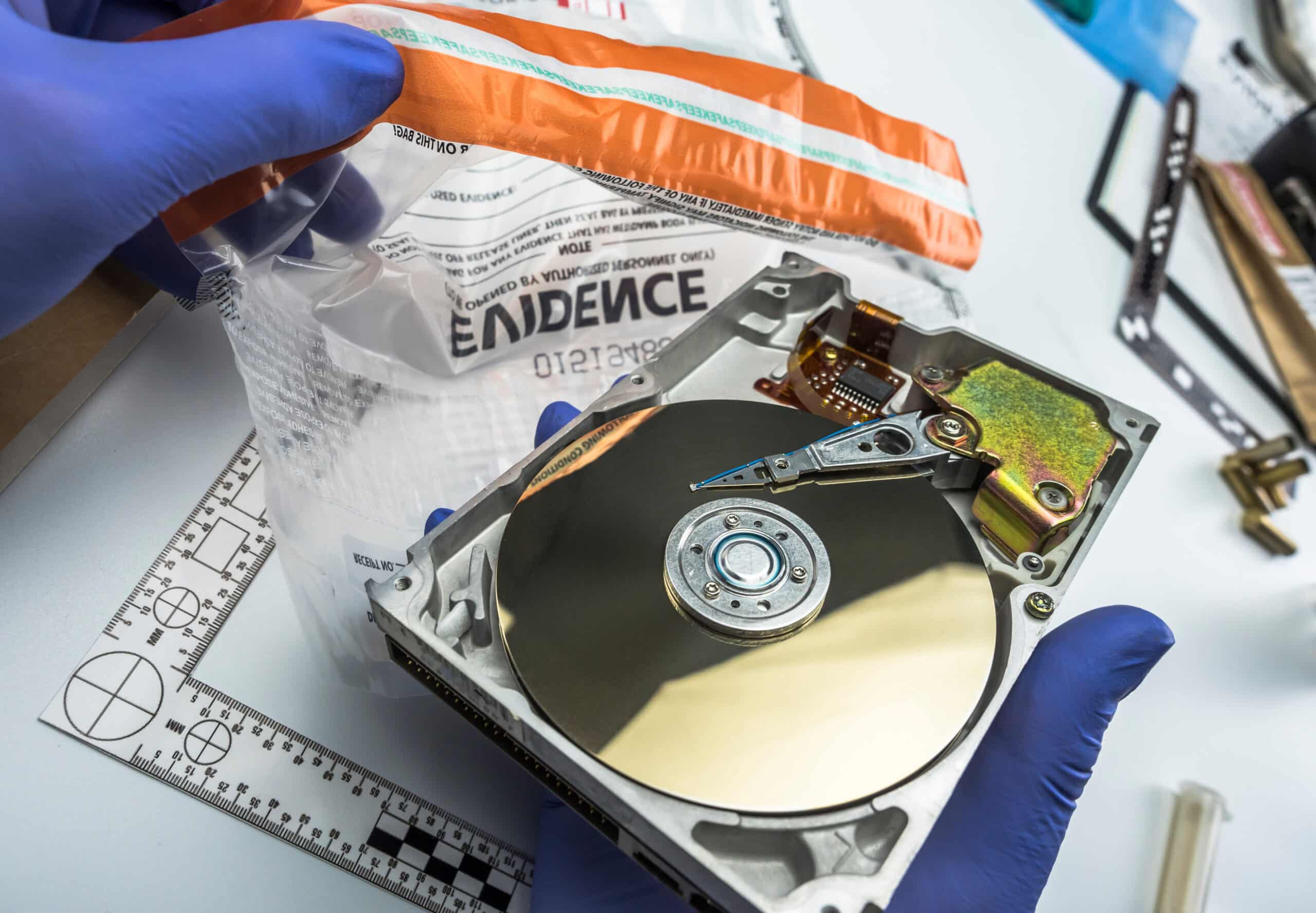
Digital forensics is the scientific examination of electronic devices to uncover, preserve, and analyze evidence. It involves extracting data from smartphones, computers, and cloud storage while maintaining integrity for court admissibility. Texas criminal defense attorneys use digital forensics to challenge prosecution evidence and identify constitutional violations in evidence collection.
The Texas Code of Criminal Procedure Article 18.0215 requires law enforcement to obtain a warrant before accessing the contents of a digital device. When police violate these requirements, your Houston criminal defense attorney can file suppression motions to exclude unlawfully obtained evidence.
Types of Digital Evidence in Texas Criminal Cases
Prosecutors routinely introduce various forms of digital evidence:
- Cell phone records: Text messages, call logs, photos, videos, deleted content, location tracking
- Computer forensics: Browsing history, emails, downloaded files, search history
- GPS and location data: Vehicle movements, smartphone location history, fitness tracker data
- Surveillance footage: Traffic cameras, body cameras, dashcam recordings
- Social media activity: Facebook posts, Instagram stories, Snapchat messages
A skilled criminal defense lawyer examines every piece of digital evidence to find weaknesses in the prosecution’s case.
Common Issues and Reliability Problems With Digital Evidence
Digital evidence isn’t as reliable as prosecutors suggest. Significant problems frequently arise:
- Chain of custody issues: Officers handle devices without proper documentation
- Improper extraction methods: Investigators use outdated tools that corrupt data
- Selective presentation: Prosecutors cherry-pick favorable messages while hiding context
- Timestamp errors: Date and time inconsistencies can place defendants at the wrong locations
- Authentication failures: Prosecutors can’t prove who sent messages
Your Houston criminal defense attorney will scrutinize this evidence for vulnerabilities.
Challenging Illegal Police Searches of Digital Devices in Texas
In Riley v. California, 573 U.S. 373 (2014), the U.S. Supreme Court held that warrantless cell phone searches violate the Fourth Amendment. Texas law enforcement must obtain search warrants before examining the contents of devices. We challenge evidence when:
- Police searched without warrants
- Officers obtained data through overbroad warrants
- Investigators exceeded the warrant scope
- Law enforcement violated the Texas Code of Criminal Procedure Article 18.0215
When Houston police violate your rights, we file suppression motions to exclude unlawfully obtained evidence. The use of motions to suppress unlawfully obtained evidence is a cornerstone to a good criminal defense.
How Digital Forensics Can Strengthen Your Criminal Defense Strategy
Digital forensics isn’t just for challenging prosecution evidence. Forensic examination may be used in support of your defense. We may work with certified digital forensics analysts who create court-admissible reports.
These defenses only work when experienced criminal defense attorneys know how to properly investigate and present digital evidence.
Your Digital Privacy Rights Under Texas and Federal Law
Texas law protects your right to refuse consent for device searches. Important protections include:
- Never unlock your phone for the police without an attorney present
- Don’t provide passwords during questioning
- Refuse consent searches when police ask to examine your devices
- Request an attorney immediately if police question you about digital evidence
If you’re under investigation, immediately consult Houston criminal defense attorneys before speaking with police.
How Robert Fickman Criminal Defense Firm Handles Digital Evidence
Robert J. Fickman, Criminal Defense, thoroughly analyzes all digital evidence. Robert Fickman attempts to identify Fourth Amendment violations, challenge forensic methodology, and consult independent professionals when needed.
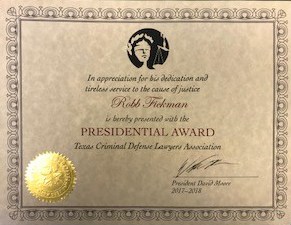
With 42 years of experience, Robert J. Fickman is an AV Preeminent 5.0 Peer Review Rated criminal defense attorney and former President of both the Harris County Criminal Lawyers Association and Texas Criminal Defense Lawyers Association.

Talk to a Houston Criminal Defense Attorney Robert Fickman Today
Your digital evidence is best handled by an experienced criminal defense lawyer. Robert J. Fickman Criminal Defense, fights to protect your Fourth Amendment rights and challenge unlawful searches. He understands forensic science and exposes weaknesses in the prosecution’s digital evidence.
Call Robert Fickman, Criminal Defense at (713) 655-7400 or contact us online for a free consultation. Robert Fickman will review your situation, explain your defense options, and discuss how digital evidence impacts your Houston criminal case. Don’t face digital evidence charges alone; let experienced criminal defense attorney Robert Fickman fight for your rights.
Related