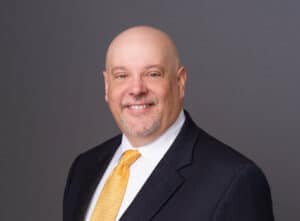
Robert J. Fickman defends healthcare professionals and businesses facing Medicare fraud, healthcare fraud, home healthcare fraud, and federal healthcare investigation allegations.
Healthcare fraud is a major enforcement priority for the U.S. Department of Justice. In June 2026, the DOJ announced a nationwide healthcare fraud takedown involving 455 defendants across 45 states and more than $6.5 billion in alleged false billing. The enforcement action targeted alleged schemes involving Medicare, Medicaid, telemedicine, opioid-related fraud, substance abuse treatment, medically unnecessary testing, and other healthcare billing practices.
If you are a doctor, nurse, healthcare provider, clinic owner, home healthcare operator, billing professional, marketer, or business owner facing a federal healthcare fraud investigation, you need experienced federal defense counsel immediately.
The federal government investigates and aggressively prosecutes healthcare fraud. Federal healthcare fraud cases may involve the Department of Justice, FBI, Health and Human Services Office of Inspector General, Centers for Medicare & Medicaid Services, Medicaid Fraud Control Units, IRS Criminal Investigation, DEA, and U.S. Attorney’s Offices.
The DOJ’s nationwide healthcare fraud enforcement efforts reflect the scope of federal attention in this area. These cases may involve allegations related to Medicare, Medicaid, telemedicine, substance abuse treatment, opioid-related fraud, unnecessary medical testing, and other healthcare benefit programs.
For healthcare professionals and businesses, the consequences can be severe. A federal healthcare fraud investigation can threaten a person’s freedom, license, livelihood, reputation, business, and future ability to participate in federal healthcare programs.
For broader answers about federal investigations, indictments, federal agencies, and criminal defense strategy, visit our federal criminal defense FAQ.
Medicare and Healthcare Fraud
Medicare is a federal healthcare program that provides benefits to people who are 65 and older and to certain individuals with disabilities. It is administered by the Centers for Medicare & Medicaid Services, a federal agency within the United States Department of Health and Human Services.
Federal criminal defense lawyer Robert J. Fickman has defended clients accused of Medicare fraud and other serious federal crimes. Medicare fraud cases often involve allegations that claims were submitted for services that were not medically necessary, were not properly documented, were not actually provided, or were obtained through illegal kickbacks.
Healthcare fraud cases may involve allegations related to patient eligibility, physician certifications, plan-of-care documentation, patient recruitment, kickbacks, billing codes, services allegedly not provided, or services allegedly not needed. These cases can be document-heavy, medically complex, and extremely serious.
How Medicare Claims Work
Medicare covers different categories of healthcare services through different program parts. Medicare Part A may cover certain services provided by skilled nursing facilities, hospices, and home health agencies. Medicare Part B may cover medical items and services provided by physicians, nurse practitioners, group practices, and other qualified healthcare providers when they are medically necessary and properly ordered.
Medicare claims are processed by Medicare Administrative Contractors, commonly referred to as MACs. A provider that obtains a Medicare provider number may submit claims to Medicare for reimbursement for covered items and services provided to beneficiaries.
A Medicare claim may include information such as:
The beneficiary’s name;
The item, service, or healthcare benefit provided;
The billing codes used for the service;
The date the service was provided;
The ordering, referring, or rendering physician or provider;
Supporting documentation showing medical necessity and compliance with Medicare rules.
Medicare requires providers to comply with applicable laws, regulations, and program instructions. Medicare generally pays only for services that are medically reasonable, medically necessary, accurately documented, and provided as represented. Claims that are allegedly false, inflated, miscoded, unsupported, or procured through illegal kickbacks can become the subject of a federal criminal investigation.
Common Healthcare Fraud Allegations
Federal healthcare fraud investigations can involve many different theories. Common allegations include:
Billing for services that were never provided;
Billing for medically unnecessary services;
Submitting claims under incorrect billing codes to obtain higher reimbursement;
Overbilling Medicare, Medicaid, or another healthcare benefit program;
Using false certifications or false documentation;
Submitting claims for patients who do not exist or who did not receive the billed services;
Billing for services allegedly procured through illegal kickbacks;
Paying or receiving improper referral fees;
Using marketers or recruiters in ways that violate federal law;
Concealing the receipt or transfer of alleged fraud proceeds;
Diverting alleged fraud proceeds for personal use.
Healthcare fraud allegations may involve doctors, nurses, clinic owners, home healthcare agencies, hospices, durable medical equipment companies, pharmacies, laboratories, telemedicine companies, billing companies, marketers, and employees.
Healthcare fraud cases are often prosecuted as serious white collar crimes, especially when the government alleges false billing, kickbacks, conspiracy, wire fraud, money laundering, or other financial misconduct.
Wire Fraud, Healthcare Fraud, and Conspiracy
People accused of submitting fraudulent bills to the federal government are often charged with healthcare fraud, wire fraud, conspiracy to commit healthcare fraud, conspiracy to commit wire fraud, violations of the Anti-Kickback Statute, money laundering, or related federal offenses.
In conspiracy cases, the government may allege that multiple people or companies agreed to submit or cause the submission of false claims to Medicare, Medicaid, or another healthcare benefit program. Prosecutors may claim that the conspiracy’s purpose was to unlawfully enrich the defendants by submitting false claims, concealing improper billing, transferring funds, or diverting proceeds.
Federal conspiracy charges are serious because the government may attempt to hold a person responsible for conduct involving other alleged co-conspirators. A healthcare fraud defense must carefully examine each person’s actual knowledge, intent, role, communications, billing authority, financial benefit, and involvement.
Honest Mistakes and Lack of Criminal Intent
An honest billing mistake is not the same as a federal crime. Healthcare billing is complicated. Mistakes can happen in coding, documentation, claims submission, supervision, compliance, or administrative processing. The government must prove criminal intent in a criminal healthcare fraud case.
Some healthcare companies are mistakenly or falsely accused of healthcare fraud. The presumption of innocence applies to every person and company charged with healthcare fraud.
Some healthcare employees, doctors, nurses, or providers may work for a company that is accused of fraud without knowing that improper billing was allegedly occurring. A doctor or nurse providing honest healthcare services may be unaware of what others in the business are doing. A healthcare professional who had no knowledge of fraud and no intent to defraud anyone may have a viable defense.
Federal defense counsel should investigate whether the government can actually prove knowledge, intent, participation, and agreement beyond a reasonable doubt.
Robert Fickman and Don Stephens Defense Team
Federal criminal defense lawyer Robert J. Fickman has defended clients who have been investigated or charged with healthcare fraud and other serious federal crimes. These cases require detailed preparation, careful review of billing records, medical records, business documents, witness statements, government subpoenas, and the government’s theory of the case.
In recent years, Robert Fickman has teamed up with medical malpractice defense attorney Don Stephens. Together, Robert Fickman and Don Stephens bring combined knowledge of federal criminal defense, healthcare regulations, medical issues, provider defense, and complex litigation. For healthcare professionals and businesses accused of healthcare fraud, that combination can be an important advantage.
Houston criminal defense attorney for more than 40 years;
Handled more than 300 federal cases;
Represented clients in federal investigations before charges were filed;
Obtained dismissals of federal charges in some cases;
Obtained federal trial acquittals for some clients;
Argued cases before the Fifth Circuit Court of Appeals;
AV-rated by Martindale-Hubbell for more than 20 years;
Named a Texas Super Lawyer since 2015;
Past President of the Harris County Criminal Lawyers Association;
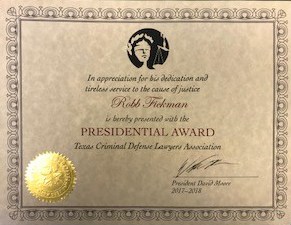
Past board member of the Texas Criminal Defense Lawyers Association;
Speaker and teacher for criminal defense lawyers nationwide.
Don Stephens
Medical Malpractice Defense Attorney
Houston medical malpractice defense attorney for more than 20 years;
Former Assistant District Attorney in Brazoria County;
Handled hundreds of healthcare cases in state and federal courts;
Represented healthcare providers across Texas;
Tried cases to verdict in state and federal courts;
Argued before Texas appellate courts and the Fifth Circuit Court of Appeals;
Defended healthcare providers before the Texas Medical Board and Texas Board of Nursing;
Consulted with hospitals and physicians on credentialing matters;
Advised healthcare clients facing state and federal charges;
Invited speaker at medical schools, hospitals, medical society meetings, CLE seminars, and CME seminars.
Frequently Asked Questions About Federal Healthcare Fraud, Medicare Fraud, and Home Healthcare Fraud
What does the recent federal healthcare fraud crackdown mean for healthcare providers?
The recent nationwide healthcare fraud crackdown shows that the federal government is aggressively investigating Medicare, Medicaid, opioid-related fraud, telemedicine, home healthcare, substance abuse treatment, unnecessary medical testing, and other healthcare billing practices. Providers, clinic owners, nurses, doctors, billing companies, marketers, and business employees should take any subpoena, audit, target letter, search warrant, or contact from federal agents seriously.
What is healthcare fraud?
Healthcare fraud generally involves knowingly submitting, causing to be submitted, or participating in false or misleading claims to a healthcare benefit program. In federal cases, the government often focuses on Medicare, Medicaid, TRICARE, and other federal healthcare benefit programs.
What is Medicare fraud?
Medicare fraud involves alleged false, fraudulent, or improper claims submitted to Medicare. Federal prosecutors may allege that Medicare was billed for services that were medically unnecessary, not properly documented, not actually provided, or procured through illegal kickbacks.
What is home healthcare fraud?
Home healthcare fraud may involve allegations that a provider, agency, owner, employee, or marketer improperly billed Medicare for home health services. These cases may include accusations of false certifications, unnecessary services, patients who did not qualify for home health care, services not provided as billed, improper patient recruitment, kickbacks, or inaccurate documentation.
Why are Medicare fraud cases usually federal cases?
Medicare is a federal healthcare program administered by the Centers for Medicare & Medicaid Services. Because Medicare claims involve federal funds, federal healthcare regulations, and often electronic claims submitted through interstate systems, alleged Medicare fraud is commonly investigated and prosecuted by federal agencies and U.S. Attorneys’ Offices.
What agencies investigate healthcare fraud?
Federal healthcare fraud investigations may involve the Department of Justice, FBI, Health and Human Services Office of Inspector General, Centers for Medicare & Medicaid Services, Drug Enforcement Administration, IRS Criminal Investigation, Medicaid Fraud Control Units, and U.S. Attorney’s Offices.
What are common examples of healthcare fraud allegations?
Common healthcare fraud allegations include billing for services not provided, billing for medically unnecessary services, upcoding, unbundling, false certifications, fraudulent referrals, illegal kickbacks, home healthcare fraud, hospice fraud, telemedicine fraud, durable medical equipment fraud, substance abuse treatment fraud, opioid-related fraud, and prescription-related schemes.
What is a healthcare fraud subpoena?
A healthcare fraud subpoena is a legal demand for records, documents, billing data, patient files, communications, financial records, contracts, or testimony. Receiving a subpoena does not always mean a person or company has been charged, but it should be treated as a serious warning sign.
What should I do if I receive a Medicare or healthcare fraud subpoena?
Do not ignore the subpoena, and do not respond casually. A subpoena may involve sensitive patient records, billing records, emails, contracts, referral information, financial records, or communications with employees and outside companies. Before producing records or speaking with investigators, it is important to understand your rights, obligations, privileges, and potential exposure.
Should I speak to federal agents if they contact me about healthcare billing?
You should be polite, but you should not answer questions about Medicare, Medicaid, billing, patient records, referrals, medical necessity, ownership, marketing, or business practices without first speaking with a federal criminal defense lawyer. Statements to federal agents can become evidence, and inaccurate, incomplete, or misunderstood answers may create additional legal problems.
Can healthcare fraud charges involve illegal kickbacks?
Yes. Healthcare fraud cases often include allegations involving illegal kickbacks, improper referral payments, sham consulting arrangements, marketing payments, patient recruitment fees, or compensation tied to federally reimbursed services. Kickback allegations can significantly increase the seriousness of a federal healthcare fraud case.
Can healthcare fraud be charged as a conspiracy?
Yes. Federal prosecutors frequently charge healthcare fraud cases as conspiracies. In a conspiracy case, the government may allege that multiple people or businesses worked together to submit false claims, conceal fraudulent billing, transfer proceeds, or unlawfully enrich themselves.
What federal charges are common in healthcare fraud cases?
Healthcare fraud investigations may lead to charges such as healthcare fraud, conspiracy to commit healthcare fraud, wire fraud, conspiracy to commit wire fraud, money laundering, false statements, violations of the Anti-Kickback Statute, and related federal offenses.
Are honest billing mistakes the same as healthcare fraud?
No. An honest mistake is not the same as a federal crime. Healthcare billing is complex, and mistakes can occur in coding, documentation, claims submission, or administrative processing. In a criminal case, the government must prove criminal intent.
Can a doctor, nurse, or employee be accused even if they did not know about the fraud?
Yes, healthcare fraud investigations can involve employees, providers, or licensed professionals who worked for a company accused of improper billing. However, a person who did not know about the fraud and did not intend to defraud Medicare may have important defenses.
What are the penalties for Medicare or healthcare fraud?
Potential penalties may include prison, fines, restitution, forfeiture, exclusion from federal healthcare programs, loss of professional licenses, damage to a healthcare business, and long-term reputational harm. Penalties may depend on the charges, alleged loss amount, defendant’s role, number of claims involved, and federal sentencing guidelines.
Can healthcare fraud cases create both criminal and civil exposure?
Yes. A healthcare fraud investigation may involve criminal charges, civil False Claims Act allegations, administrative penalties, repayment demands, licensing consequences, professional discipline, and exclusion from federal healthcare programs.
Why is early legal representation important in a healthcare fraud investigation?
Healthcare fraud investigations often begin months or years before charges are filed. Federal agencies may review billing data, interview witnesses, issue subpoenas, obtain records, analyze bank accounts, and compare documentation before an indictment. Early legal representation can help protect rights, manage subpoena responses, preserve privileges, communicate with investigators, and identify defenses before the case moves further.
When should I contact a Houston federal healthcare fraud lawyer?
You should contact a federal healthcare fraud lawyer as soon as you learn that you, your company, your practice, or your employees may be under investigation. Warning signs may include a subpoena, audit, search warrant, grand jury investigation, target letter, contact from federal agents, employee interviews, sudden billing scrutiny, or notice that another person connected to the business has been charged.
Contact a Houston Federal Healthcare Fraud Lawyer
If you are under investigation or have been charged with Medicare fraud, Medicaid fraud, home healthcare fraud, telemedicine fraud, healthcare fraud conspiracy, wire fraud, or another federal healthcare offense, contact Robert J. Fickman Criminal Defense.
This page is for informational purposes only and does not create an attorney-client relationship. Every case depends on its specific facts, evidence, and procedural posture.
Rob represented my Husband last year against false abuse allegations made by my stepson. He was facing serious felony charges. I called Rob who was referred...
I wish there were more stars to give! When my husband was arrested on felony injury to a child charges due to false allegations made by my step son , I was...
The client was wrongfully charged with Aggravated Robbery with a Deadly Weapon. The complainant alleged that the Defendant arrived at the complainant’s home to meet to discuss a business deal. The complainant alleged that the Defendant suddenly drew a firearm and robbed the complainant. The Defense interviewed the complainant. The complainant’s story was full of holes, and it kept changing. In the end, the complainant’s story made no sense. An argument was presented to the prosecutor explaining all of the holes in the complainant’s story.
The Motion for Early Termination of Supervised Release was Granted and the supervised release was terminated. (J.R.)
The client was serving a lengthy Federal supervised release for a drug-related offense. An investigation was conducted, and the Defense filed a Motion for Early Termination of Supervised Release.
The client taught private music lessons. One of the Client’s students alleged that he sexually assaulted the student during a lesson. The Defense Investigation found substantial evidence negating the veracity of the allegation. The complainant’s own conduct was contrary to the allegation. A Defense Package was prepared and presented to law enforcement, and the matter was dropped.
The defendant was accused of conspiring with others to commit PPP fraud. The Defense demonstrated that the Defendant was not involved in any conspiracy. Defendant was talked into applying for a PPP loan by a third party. The third party was to receive a percentage of the loan if it was granted. Defendant had no familiarity with the law governing PPP loans. The Defendant relied on the third party to accurately complete the PPP loan application. The third party completed the loan application with fraudulent information. The Defendant was conned and received PPP funds without knowing that the third party had committed PPP fraud. The Defense negotiated an agreement under which the Defendant would make full restitution of the fraudulently obtained loan and serve a short pretrial diversion.
Grand Jury No Billed and the Charges against the Defendant were Dismissed. (C.H.)
Defendant had agreed to step in and help raise a teenage family member. The teenager moved in with the client’s family, and they did everything they could to help the teen feel at home. The teenager did not want to live with the Client or his family. The teenager made false claims that the Client had physically abused him. Charges were accepted with little police investigation. The Defense launched a “no stone unturned ” investigation. Substantial evidence was developed demonstrating that the teen had planned the false allegation. The allegations made were not supported by the physical evidence. All other family members gave statements in support of the defense. A chronological history and photographs supported the defense. The client took and passed a secret polygraph examination.
All the evidence gathered was put in a Defense package, which was presented to the Prosecutor and the Grand Jury. The Grand Jury returned a NO-Bill, and the charges of Felony Injury to Child were dismissed.
The client was falsely accused by her abusive husband of assaulting him. The defense showed that the husband had a history of alcohol abuse and violence. The defense showed that the husband had discharged a firearm in the house and kicked in a door when the client had retreated to a bathroom. The defense put together a comprehensive package, including prior photographs and video showing the complainant’s violent and threatening past. The defense demonstrated that the investigating police officer had done an inadequate investigation. He accepted the husband’s word and filed charges against the defendant’s wife without even attempting to talk to the defendant. A lengthy Defense package was prepared for the DA. After a meeting with the prosecutor, the charges were dismissed.
The client was accused of marriage fraud as a means of obtaining citizenship. The Client and his family were hounded by a federal agent. After a thorough defense investigation showed the marriage was legitimate, the matter was dropped, and no charges were filed against the Client
Grand Jury No Bill- No Charges (Expunction granted)
It was in the early morning hours, while it was still dark outside. A stranger was near the front door, seen rummaging around. The homeowner was alone with her children. She was concerned that the stranger was looking for a key and would try to break into her home. The homeowner called the police and waited. The stranger did not leave. The homeowner, in fear for her family, called the client, who was a family member. The client immediately drove to the homeowner’s house. The client parked his vehicle and observed the stranger still rummaging about near the front door. The client told the stranger to leave the property. When the stranger made aggressive moves toward the client and the homeowner, the client acted in self-defense and to defend the homeowner. After a lengthy investigation, a detailed package was prepared for the grand jury. The package covered self-defense and homeowner defense.
EARLY TERMINATION OF A FEDERAL LIFETIME SUPERVISED RELEASE
Motion Granted and Client released from Lifetime Supervised Release. (J.S.)
The client had a prior conviction related to Child pornography and was sentenced to Federal Supervised Release for life. The Defense investigation showed that the Defendant had complied with all conditions, and he posed no threat to society. A Motion for Early Termination of Supervised Release was prepared. The defense package, along with advocacy on behalf of the client, was presented to the Government. In a rare move, the Federal prosecutors agreed not to oppose the Defense motion. The Federal District Court granted the Defendant’s Motion, and the Defendant was released from Lifetime Federal Supervised Release.
The client, a Houston area medical assistant, was accused by her estranged husband of assaulting her in her family home. The defense showed that the complainant had a history of alcohol abuse and violence. The defense demonstrated that the police failed to conduct an adequate investigation of the initial charge, No charges should have ever been accepted.
A Texas gun case can become federal because of who possessed the firearm, how they obtained or used it, and whether the conduct violates a federal firearms statute. Texas permitless-carry rules did not repeal federal firearm restrictions, so conduct lawful …
If federal agents have contacted you about a computer case, the investigation has likely been running for some time. These matters often arrive with digital evidence, records, subpoenas, interviews, server logs, account histories, and a theory of unauthorized access already …
Federal securities fraud investigations usually begin quietly, months before anyone hears the word “charges.” In many cases, the first sign is indirect: a business partner mentions being asked questions, an employer starts pulling records, a compliance department begins reviewing trading …